How to Prevent the Spread of Germs and Viruses in the Workplace
13 January 2026
Reducing Germ Transmission at Work Is Easier Than You Think
Each year, flu season leads to increased absenteeism and reduced productivity across workplaces. When a viral outbreak affects a team, the operational and financial impact can be significant.
By addressing high-touch surfaces and implementing commercial hydration solutions designed for hygiene, businesses can significantly reduce the spread of germs and viruses in the workplace.
Here are a few tips on how to go about it.
How Germs and Viruses Spread in Professional Environments
The transmission of bacteria and viruses occurs primarily through direct contact. Person-to-person contact remains the most common source, but also the easiest to limit: instinctively, we avoid close contact with someone who is ill.
The real challenge lies elsewhere:
👉 High-traffic shared surfaces, touched dozens—or even hundreds—of times a day. Just think of door handles or the doors themselves.
Critical high-traffic touchpoints include:
Since hydration is essential—and eliminating single-use plastic bottles remains a priority—manufacturers such as OASIS, Elkay, Haws, Scotsman, and LULIA have developed advanced hygienic hydration technologies.
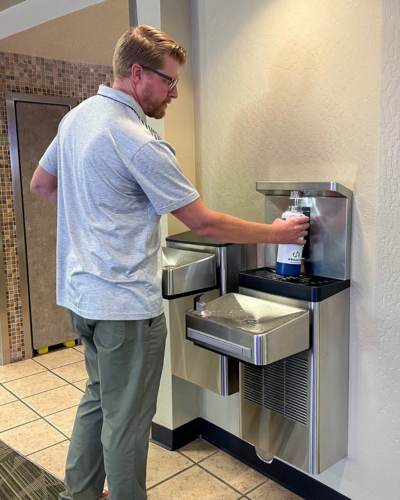
Hygiene-Focused Hydration Solutions for high-risk workplaces
These solutions are ideal for:
- Dental and medical clinics — environments requiring strict infection control and hygiene standards
- Hospitals and long-term care facilities — high-risk healthcare settings with vulnerable populations
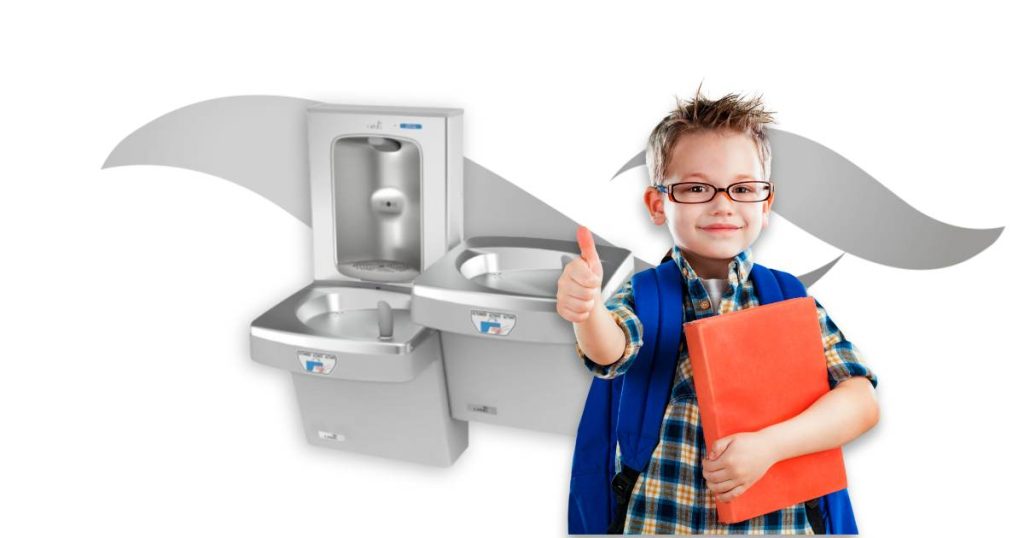
- Schools, training centers, and educational institutions — high-density public environments with frequent contact surfaces
- High-traffic government and public buildings — offices and facilities with heavy daily foot traffic
- Food processing and food manufacturing plants — regulated environments requiring sanitation and contamination prevention
- Manufacturing facilities with a large workforce — industrial workplaces with shared equipment and common touchpoints
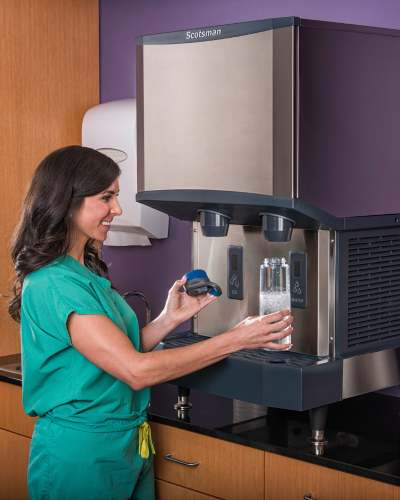
SIMPLE TIPS EASY TO IMPLEMENT!
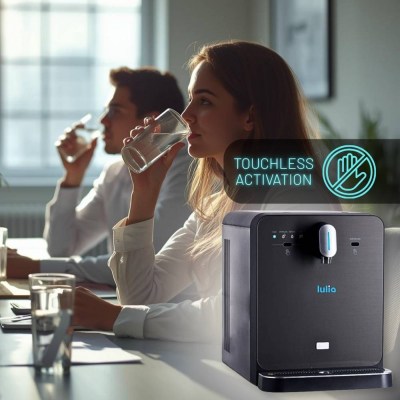
1. Touchless activation: eliminating contact points
Touchless water fountains and dispensers are now among the most effective solutions for reducing the spread of germs.
Solutions such as:
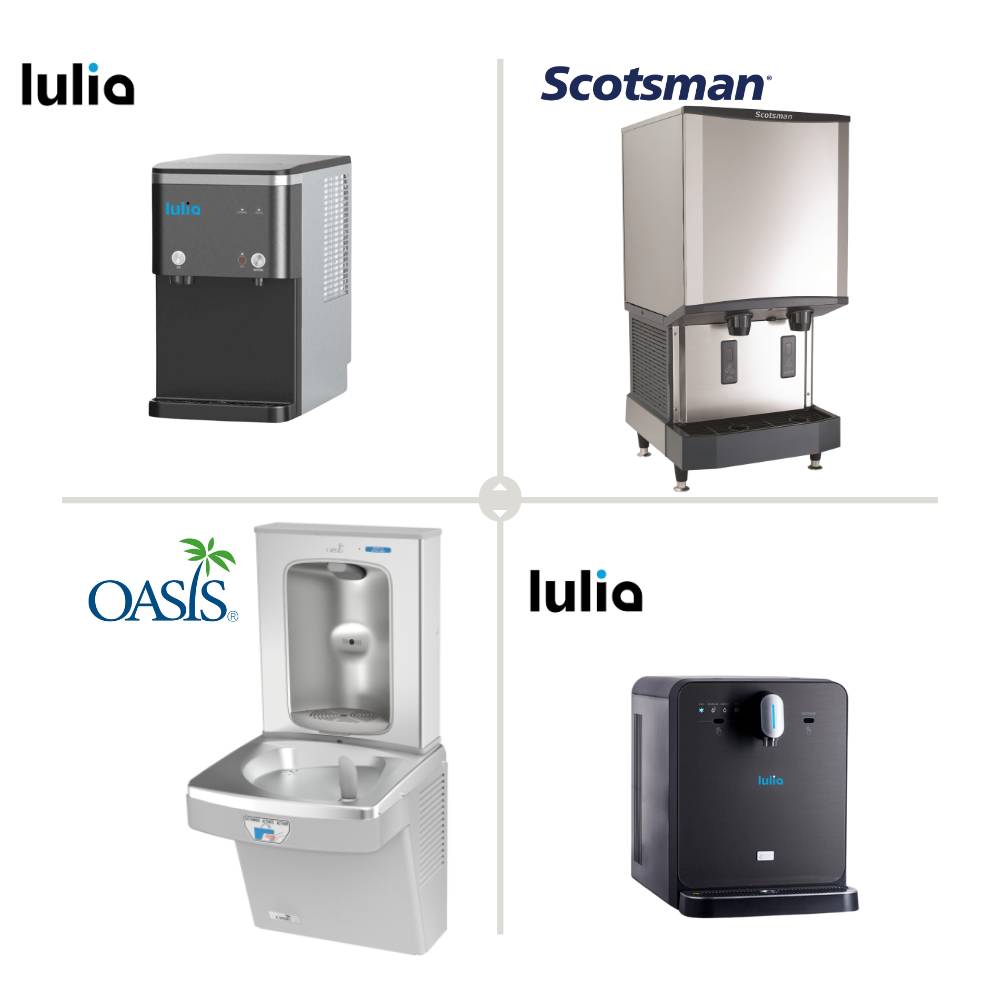
- LULIA I16 water and ice dispenser
- Scotsman HID312 ice and water machine
- OASIS PG8EBFT drinking fountain with touchless bottle filler
- LULIA S4 sparkling water dispenser
Will allow users to drink or refill a reusable bottle without touching any buttons, significantly reducing the risk of cross-contamination in shared environments.
2. Laminar Flow technology: reducing splashing and stagnant water
Water is essential to life… but stagnant water quickly becomes a breeding ground for bacteria.
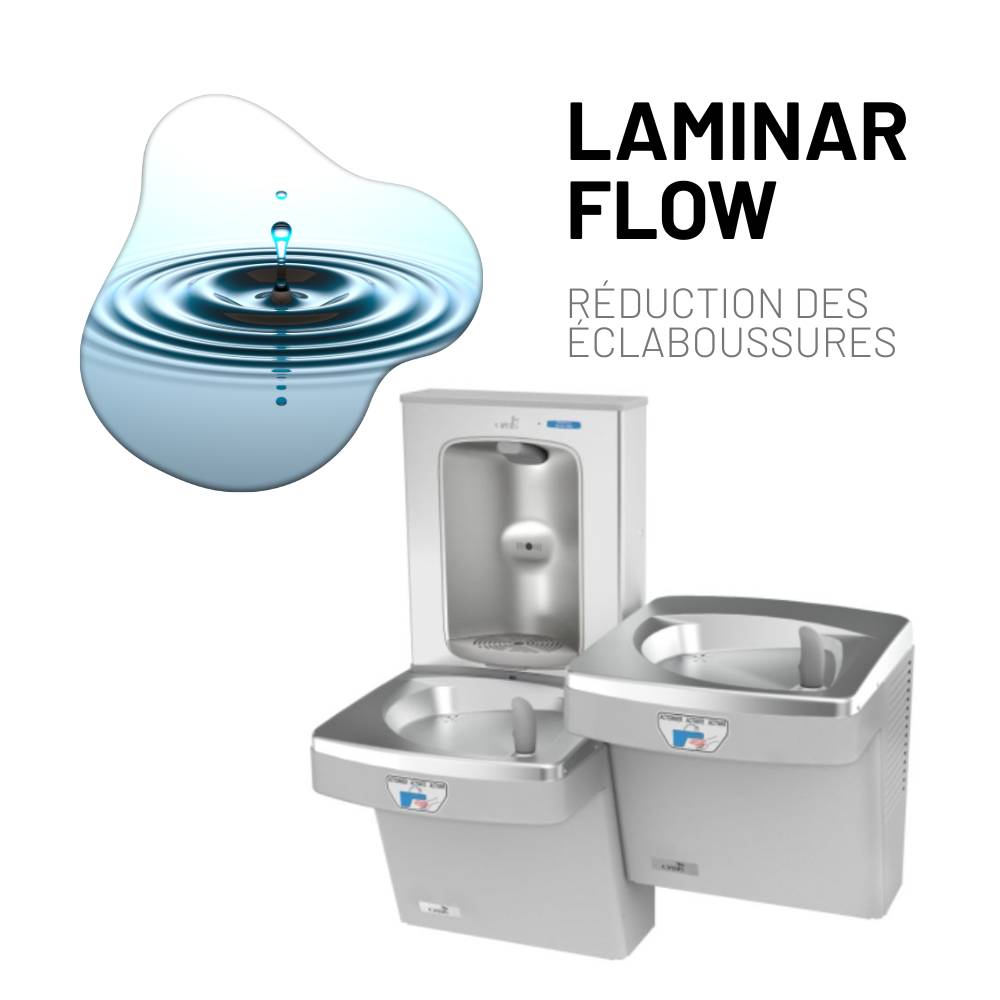
Laminar Flow technology:
- Reduces splashing
- Limits moisture buildup around the basin
- Minimizes areas where bacteria can survive
The result is a cleaner, more hygienic, and safer drinking fountain—especially during periods of high viral circulation.
3. Freshield® and antibacterial materials: acting directly on surfaces
Some manufacturers go even further by integrating silver-infused components (such as OASIS Freshield® technology), which:
- Inhibit mold growth
- Reduce the lifespan of bacteria on critical surfaces
Other solutions use copper alloys, known for their natural antibacterial properties, particularly on manual activation buttons and high-touch components.
4. UV-C technology: an additional barrier against bacteria
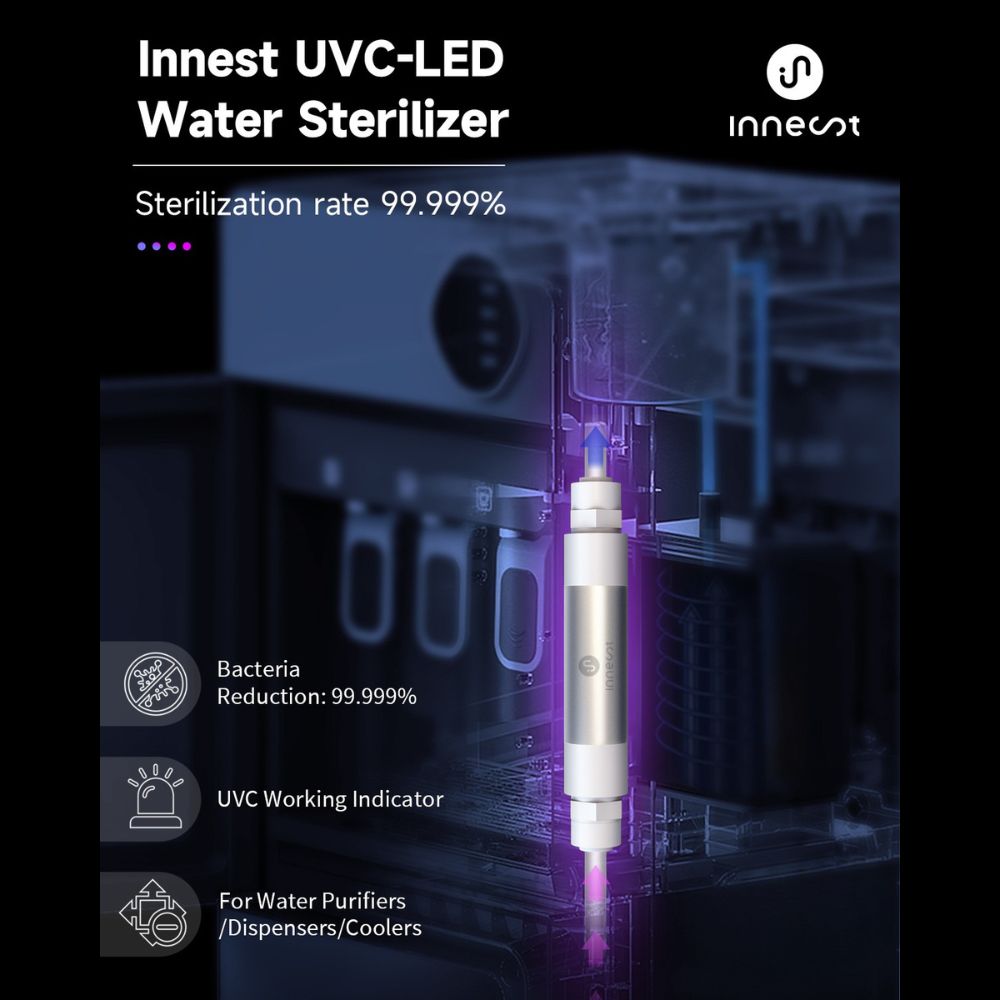
UV-C water sterilization is an advanced technology used to neutralize microorganisms directly in the water, just before it is dispensed.
Systems such as:
- OASIS QUASAR UV technology
- INNEST UV-C light sterilisation system
- LULIA solutions with ultrafiltration or reverse osmosis
Will integrate UV-C treatment to eliminate a large proportion of bacteria, delivering high-quality drinking water that is particularly valued in sensitive and regulated environments.
5. Regular maintenance: a critical but often underestimated factor
Even the most advanced technologies must be supported by regular maintenance.
After holidays or periods of low usage, it is essential to:
- Check for stagnant water
- Clean basins and contact points
- Ensure proper filtration system performance
Preventive maintenance of water fountains, dispensers, and water coolers plays a direct role in maintaining a healthy environment and preventing costly outbreaks.
In summary: protecting your workplace is a smart investment
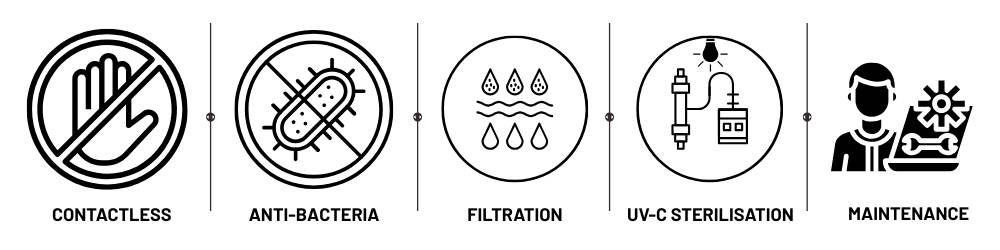
While it is impossible to eliminate all risks, combining:
- Touchless technologies
- Antibacterial solutions
- Advanced filtration and UV-C treatment
- Regular preventive maintenance
Will significantly reduce absenteeism, improve productivity, and protect the health of your employees, and that is a winning strategy!
Micro-FAQ
How can businesses reduce virus transmission at work?
By installing touchless hydration systems and maintaining high-traffic water points regularly.
Are commercial water dispensers safe in high-traffic areas?
Yes, when equipped with touchless activation, UV-C treatment, and antimicrobial components.
Why choose touchless drinking fountains for offices?
They reduce cross-contamination and improve workplace hygiene.
Is it important to clean a drinking fountain regularly?
Absolutely. Regular maintenance will prevent stagnant water, causing mildew and bacterial proliferation.
Which businesses should benefit the most from contactless hydration solutions?
Big offices, factories, schools, hospitals, clinics, any business or organisation with a large workforce or high-traffic occurring on location, any institution with a health-risk population, such as children, elders, or people with a compromised immune system.
Our experts in commercial hydration solutions can accompany you through the entire process.
👉 Talk with one of our representatives and discover all the options best adapted to your work environment. We’ll make sure whichever one you choose, it will tick all the boxes!
Need personalized tips for your business?
CONTACT US: